 Melbourne Metropolitan Area, VIC, Australia
 admin@loftelectricalgroup.com.au
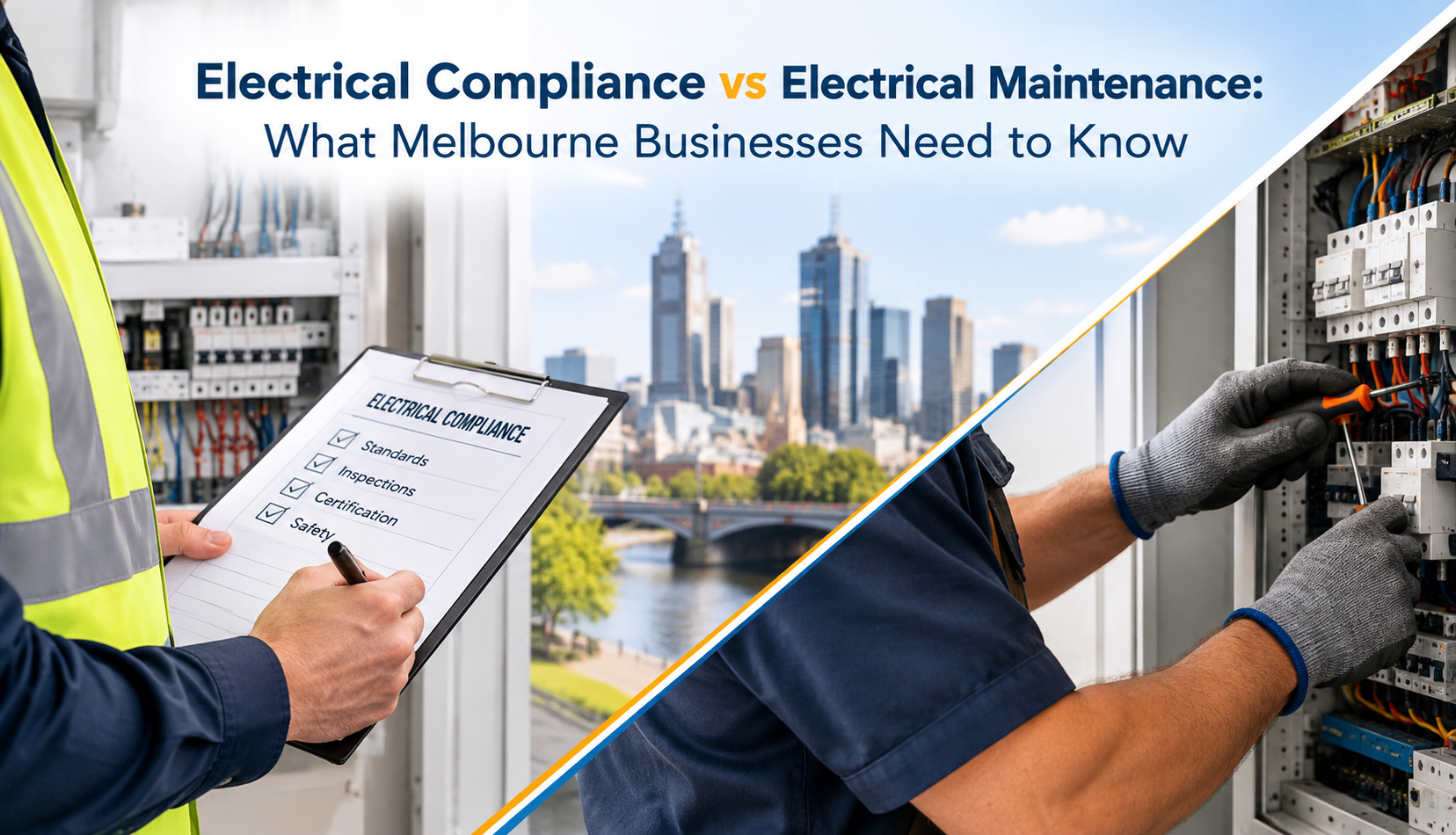
Electricity keeps modern businesses running. From office lighting and computers to warehouse machinery and commercial kitchen equipment, most workplaces depend on safe and reliable electrical systems every day. However, keeping electrical systems in good condition involves more than fixing faults when something stops working.
Businesses also need to understand the difference between electrical compliance and electrical maintenance. Both play an important role in workplace safety, but they serve different purposes.
Commercial electrical compliance Melbourne businesses need to consider focuses on meeting applicable electrical safety requirements, standards and legal obligations. Electrical maintenance focuses on keeping equipment and electrical systems working properly and reducing the risk of unexpected breakdowns.
Understanding these differences can help business owners, property managers and facility managers make better decisions about electrical safety. This guide explains how electrical compliance and maintenance work, why they matter and how Melbourne businesses can manage both.
What Is Electrical Compliance?
Electrical compliance means ensuring that electrical installations, equipment and related work meet the requirements that apply to the property and its intended use.
These requirements may come from Australian legislation, electrical safety regulations, relevant Australian Standards and specific industry obligations. The exact requirements depend on the type of building, electrical installation and business activities.
Why Is Electrical Compliance Important?
Electrical compliance helps businesses identify safety risks and meet their legal responsibilities. It can also help reduce the likelihood of electrical incidents that affect employees, customers, contractors and visitors.
For example, an office may need to ensure that its electrical installation meets applicable requirements after renovation work. A warehouse may need to address electrical risks around machinery, distribution boards and equipment used by staff.
Businesses that take commercial electrical compliance Melbourne requirements seriously can make electrical safety a regular part of their workplace management.
What Does Electrical Compliance Include?
Depending on the property and the work involved, electrical compliance may include:
- Ensuring electrical installations meet applicable standards and regulations.
- Obtaining required electrical certificates and records.
- Checking that electrical work is completed by appropriately licensed professionals.
- Meeting relevant testing, inspection and reporting requirements.
- Addressing identified electrical safety defects.
- Keeping suitable records of electrical work and required inspections.
Not every business has the same compliance obligations. Business owners should confirm which requirements apply to their premises, equipment and industry.
What Is Electrical Maintenance?
Electrical maintenance involves checking, servicing and repairing electrical systems to keep them operating safely and reliably.
Unlike compliance activities, which focus on meeting applicable requirements, maintenance aims to reduce equipment wear, identify developing faults and prevent avoidable disruptions.
Why Do Businesses Need Regular Electrical Maintenance?
Electrical problems can develop gradually. A loose connection, worn component or damaged cable may not cause an immediate failure, but it can become a serious concern if nobody addresses it.
Regular maintenance helps identify these problems before they cause greater disruption.
For example, a Melbourne office might experience flickering lights or frequently tripping circuit breakers. An electrician can investigate the cause, identify any underlying hazards and recommend suitable repairs.
Regular maintenance can help businesses:
- Reduce unexpected electrical breakdowns.
- Keep equipment operating efficiently.
- Identify faults before they become more serious.
- Support a safer working environment.
- Reduce interruptions to daily operations.
- Plan repairs and replacement work more effectively.
What Does Electrical Maintenance Include?
The maintenance plan depends on the building, equipment and operating conditions. Common activities include:
- Inspecting electrical components for visible damage.
- Testing equipment where required.
- Repairing faulty switches, outlets and lighting.
- Investigating recurring circuit breaker trips.
- Checking distribution boards and electrical connections.
- Servicing relevant electrical equipment.
- Replacing worn or damaged components.
- Recording completed maintenance work.
A qualified electrician can recommend an appropriate maintenance schedule based on the property’s condition and the risks involved.
Electrical Compliance vs Electrical Maintenance: What Is the Difference?
Although electrical compliance and maintenance support workplace safety, they do not serve exactly the same purpose.
| Area | Electrical Compliance | Electrical Maintenance |
|---|---|---|
| Main purpose | Meet applicable safety requirements and obligations | Keep electrical systems operating safely and reliably |
| Primary focus | Standards, regulations, inspections and required documentation | Servicing, repairs and preventing equipment failures |
| Typical activities | Required inspections, testing, certification and defect rectification | Fault finding, component replacement and routine servicing |
| Timing | According to applicable legal, regulatory and project requirements | Based on equipment condition, risk and recommended schedules |
| Main benefit | Helps demonstrate that relevant requirements have been met | Helps reduce breakdowns and identify developing faults |
Can Electrical Maintenance Replace Compliance?
No. Routine maintenance does not automatically satisfy every electrical compliance obligation.
A business might service its electrical equipment regularly but still need specific inspections, certificates or records under applicable requirements.
Likewise, completing a required inspection does not mean the business can ignore ongoing maintenance.
For example, an electrician might inspect an installation for a particular compliance purpose and identify a defect that needs attention. The business must arrange appropriate rectification and any required verification. It should also maintain the installation after the immediate issue has been resolved.
This is why commercial electrical compliance Melbourne businesses require should work alongside a suitable maintenance plan rather than replace it.
How Do Electrical Safety Inspections Help Melbourne Businesses?
Electrical inspections help identify hazards, assess the condition of electrical installations and determine whether further testing or repairs are necessary.
The type and frequency of inspection depend on the installation, its use, applicable requirements and any identified risks.
Identifying Electrical Hazards
An inspection may identify damaged wiring, deteriorating components, overheating, unsafe modifications or other electrical defects.
The electrician can assess the findings and explain which issues require urgent attention.
Businesses should never ignore warning signs such as burning smells, unusual buzzing, visible damage or repeatedly tripping circuit breakers. If an electrical hazard appears serious, keep people away from the affected area and arrange urgent professional assistance.
Supporting Records and Documentation
Accurate records help business owners understand the condition of their electrical systems and track completed work.
Depending on the job, records may include inspection reports, test results, electrical certificates, maintenance logs and details of repairs.
These documents can help property managers plan future work and demonstrate that relevant activities have taken place. However, documentation alone does not prove that every legal obligation has been met.
Understanding Inspection Requirements
There is no single inspection schedule that applies to every commercial property. Some requirements relate to specific electrical work, while others depend on workplace risks, equipment and the relevant regulatory framework.
Businesses should confirm the applicable requirements rather than assume that an annual inspection is sufficient for every situation.
Which Melbourne Businesses Need to Consider Electrical Compliance and Maintenance?
Electrical safety matters across many commercial environments, but the risks and maintenance needs can vary considerably.
Offices and Commercial Buildings
Offices rely on lighting, computers, communication systems, air conditioning and other electrical equipment.
Business owners and property managers should address electrical faults promptly and organise relevant compliance activities when installing, altering or upgrading electrical systems.
Warehouses and Industrial Facilities
Warehouses and factories may use machinery, motors, distribution boards and high-demand electrical equipment.
These environments may require maintenance planning that reflects equipment use, operating conditions and the consequences of electrical failure.
Retail Shops and Hospitality Businesses
Retail stores, restaurants and cafés depend on lighting, refrigeration, kitchen appliances, payment systems and other electrical equipment.
An unexpected fault can disrupt trading and create safety concerns. Regular maintenance and appropriate compliance checks help businesses manage these risks.
Medical and Specialist Facilities
Healthcare and other specialist facilities may rely on electrical equipment that supports important daily services.
Managers should identify the relevant requirements for their premises and equipment, then arrange appropriate maintenance and testing through qualified professionals.
Across all these settings, commercial electrical compliance Melbourne businesses need to address should reflect the actual risks and requirements of each workplace.
How Can Businesses Manage Both Effectively?
The best approach is to treat compliance and maintenance as connected parts of an overall electrical safety plan.
1. Understand Your Legal Responsibilities
Identify the electrical safety requirements that apply to your building, equipment and business activities. Seek professional advice when you are unsure.
2. Arrange Appropriate Inspections
Ask a qualified electrician to assess the installation and explain which inspections, tests and records your business needs.
3. Create a Maintenance Schedule
Set maintenance intervals based on equipment requirements, operating conditions, manufacturer recommendations and risk assessments.
4. Keep Electrical Records Organised
Store relevant certificates, reports, service records and repair details in an accessible location. This makes it easier to track outstanding work and plan future maintenance.
5. Address Defects Promptly
Do not postpone repairs to electrical equipment or installations that may create a safety risk. Follow the electrician’s advice about isolating affected equipment and arranging repairs.
6. Review Your Plan Regularly
Renovations, new equipment, changes in business activities and recurring electrical faults may change your maintenance needs. Review your plan whenever these changes occur.
A practical approach to commercial electrical compliance Melbourne requirements helps businesses manage their responsibilities while maintaining reliable electrical systems.
Final Thoughts
Electrical compliance and electrical maintenance work together to support safer, more reliable commercial properties. Compliance helps businesses meet applicable safety requirements, while maintenance helps keep electrical systems in good working condition and reduces the risk of unexpected faults.
Melbourne businesses should understand their specific obligations, arrange appropriate inspections, maintain accurate records and address electrical defects without unnecessary delays.
If your business needs professional advice about electrical safety, compliance or ongoing maintenance, contact Loft Electrical Group to discuss your property’s requirements. A qualified electrical professional can help you understand the next steps and plan suitable work for your premises.
Taking a proactive approach to commercial electrical compliance Melbourne businesses need can help protect people, support daily operations and reduce avoidable electrical risks. Regular electrical safety inspections Melbourne businesses arrange, alongside a suitable maintenance plan, can also help identify potential issues before they become more serious.