 Melbourne Metropolitan Area, VIC, Australia
 admin@loftelectricalgroup.com.au
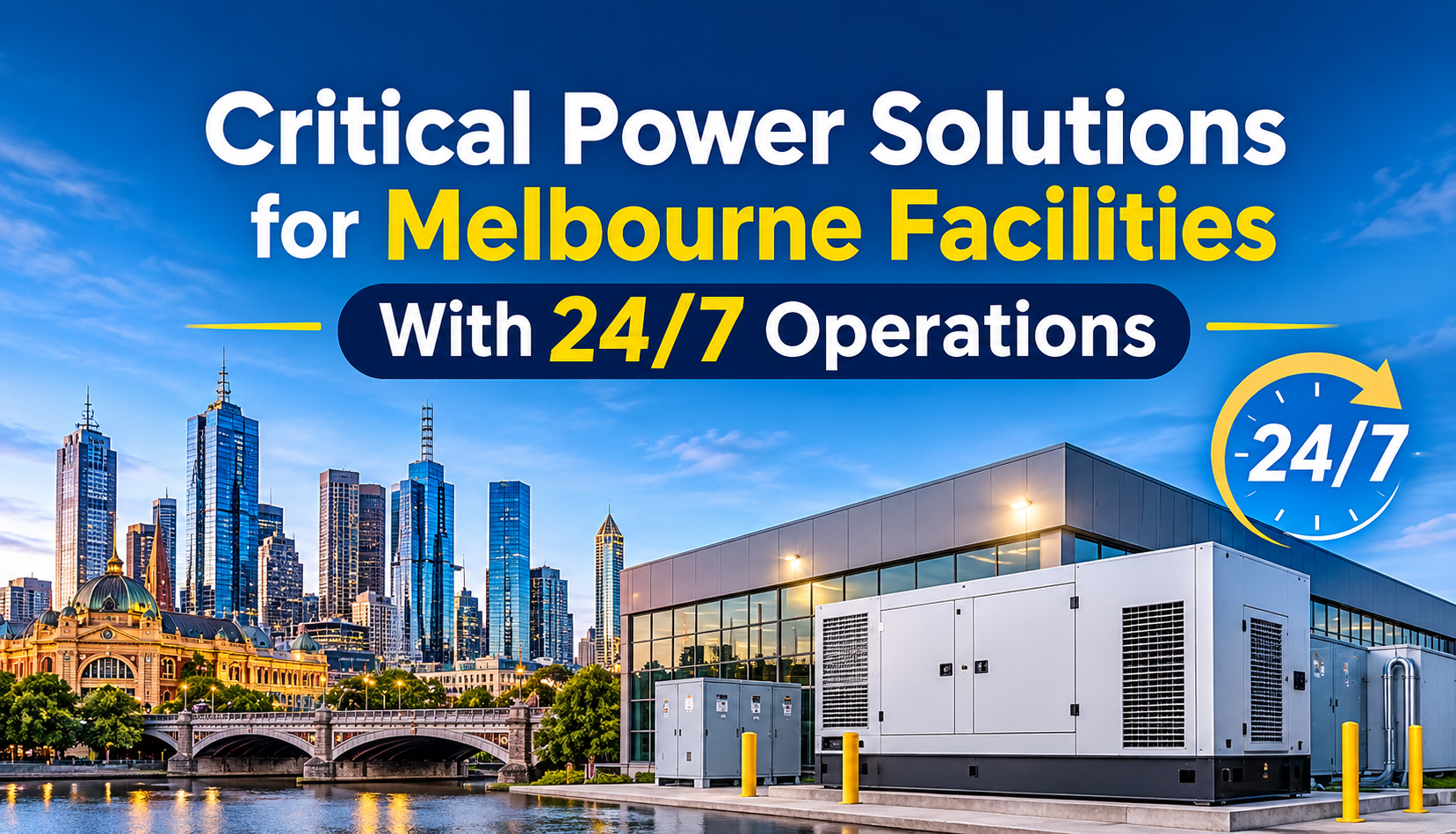
Facilities that operate around the clock need a reliable power supply to keep their daily operations running smoothly. Hospitals, data centres, manufacturing plants, commercial buildings and other essential facilities depend on electricity to support their equipment, staff and customers. Even a short power outage can interrupt important services, damage equipment or cause financial losses.
This is why businesses need a clear plan for power interruptions. With the right backup systems, facilities can maintain essential operations when the main electricity supply fails. 24/7 backup power Melbourne solutions help businesses prepare for unexpected outages and reduce the risk of costly disruptions.
Understanding how critical power systems work can help facility managers make better decisions about safety, reliability and long-term business needs.
Why Is Reliable Power Important for 24/7 Facilities?
Many facilities cannot simply stop working when the electricity goes out. Some need constant power to protect people, while others rely on electrical equipment to maintain production, security or data access.
For example, a hospital needs electricity to support essential medical equipment. A data centre must protect its servers and stored information. A manufacturing plant may need to shut down equipment safely to avoid damage.
Without a suitable backup plan, an unexpected outage can affect productivity, safety and customer service.
Reliable power systems help businesses:
- Keep essential equipment operating during outages.
- Reduce downtime and interruptions.
- Protect sensitive electrical and electronic equipment.
- Maintain security, lighting and communication systems.
- Support business continuity during unexpected events.
- Reduce the risk of damage caused by sudden power loss.
For facilities that operate day and night, planning for power interruptions is an important part of responsible facility management.
What Are Critical Power Solutions?
Critical power solutions include electrical systems and equipment that help maintain or restore power when the main supply fails. These systems support essential services and help facilities manage unexpected interruptions.
The right solution depends on the building, its electrical load and the equipment that needs continuous power.
Uninterruptible Power Supply (UPS)
A UPS provides temporary power when the main electricity supply fails. It usually uses batteries to keep connected equipment running for a short period.
This gives the facility time to switch to another power source or shut down equipment safely.
UPS systems are particularly useful in data centres, communication rooms, healthcare facilities and buildings with sensitive electronic equipment.
Standby Generators
Standby generators provide backup electricity during longer outages. Depending on the system, a generator may start automatically or require manual operation.
Generators can support selected equipment, essential building services or larger electrical loads when designed for the facility’s requirements.
Regular servicing, suitable fuel arrangements and proper installation help keep generators ready for use.
Automatic Transfer Switches
An automatic transfer switch moves the electrical supply from the main source to a backup source when it detects a power failure. It can also help transfer the load back when the normal supply returns.
This process reduces the need for manual intervention and supports a more controlled transition between power sources.
The equipment must suit the electrical system and the type of backup supply being used.
How 24/7 Backup Power Melbourne Solutions Support Different Facilities
Every facility has different power requirements. A system that works for a small commercial office may not suit a hospital or a large industrial site.
Choosing 24/7 backup power Melbourne solutions starts with understanding which services must remain operational during an outage.
Healthcare Facilities
Hospitals, medical centres and other healthcare facilities rely on electricity for essential equipment, lighting, communications and building services.
A power interruption can create serious challenges if critical equipment loses its supply. Suitable backup arrangements can help maintain designated essential loads while staff follow the facility’s emergency procedures.
Healthcare facilities should work with qualified professionals to assess their requirements and ensure their backup systems meet applicable safety and regulatory standards.
Data Centres and IT Facilities
Data centres need stable electricity to operate servers, networking equipment, cooling systems and security controls.
Even a brief interruption can disrupt services or affect connected businesses. UPS systems can provide immediate short-term support, while appropriately designed generators can supply power during longer outages.
Regular testing helps confirm that the different parts of the backup system work together as intended.
Manufacturing and Industrial Sites
Manufacturing facilities often use heavy machinery, automated production lines and specialised equipment. A sudden power loss may interrupt production or leave machinery in an unsafe condition.
A suitable backup system can support essential processes, control systems and safe shutdown procedures.
Facility managers should identify which equipment needs uninterrupted power and which equipment can remain offline until the main supply returns.
Commercial Buildings and Offices
Commercial buildings depend on electricity for lighting, access control, security systems, communications and other essential services.
Backup power can help maintain selected building functions and improve the ability to respond to an outage. The system should match the building’s size, occupancy and operational needs.
Key Factors to Consider When Choosing a Backup Power System
Selecting a backup system requires more than choosing a generator or battery. Businesses should assess their actual needs before deciding which equipment to install.
1. Assess Your Critical Electrical Loads
Start by identifying the equipment that must continue operating during an outage. Separate essential loads from equipment that can safely switch off.
This helps determine the required backup capacity and prevents businesses from paying for a system that does not suit their needs.
2. Understand the Required Backup Duration
Some equipment only needs a few minutes of backup power to allow a safe transition. Other facilities may need power for several hours or longer.
Consider how long the site could operate without the main supply and what backup arrangements would support that period.
3. Consider Automatic Operation
Automatic starting and transfer systems can reduce delays during an outage. They are particularly useful for facilities that operate outside normal business hours.
However, automatic operation does not remove the need for inspections, testing and maintenance.
4. Plan for Future Growth
A facility’s electrical needs may increase as it adds equipment, expands its operations or introduces new technology.
Consider future demand when planning a backup system. A qualified electrical professional can help assess whether the proposed design offers suitable capacity and flexibility.
5. Follow Safety and Compliance Requirements
Backup power equipment must be installed and maintained correctly. Electrical safety, ventilation, fuel storage, fire protection and equipment access all require careful consideration.
Businesses should use appropriately licensed electrical professionals and check the standards, regulations and approval requirements that apply to their site.
The Importance of Regular Backup Power Maintenance
Installing a backup system is only the first step. Equipment must remain in working condition so it can perform when the main power supply fails.
Without regular maintenance, batteries may lose capacity, generators may develop faults and transfer switches may fail to operate as expected.
A planned maintenance programme should include:
- Inspecting electrical connections and equipment condition.
- Checking battery health and replacement requirements.
- Testing generator starting and operating performance.
- Inspecting fuel systems and other relevant components.
- Testing transfer switches and control systems.
- Reviewing alarms and monitoring functions.
- Keeping records of inspections, tests and repairs.
Testing should follow the equipment manufacturer’s instructions and the facility’s operational and safety requirements.
Businesses should also establish clear procedures for reporting faults and responding to power failures. Staff need to know whom to contact and which actions to take when an outage occurs.
A proactive approach helps identify potential problems before they interrupt operations.
How to Prepare for Unexpected Power Outages
Even a well-maintained backup system needs to form part of a wider emergency plan. Facilities should prepare for different outage scenarios and ensure staff understand their responsibilities.
Start by identifying the risks associated with losing power. Consider how an outage could affect people, equipment, communications, security and essential services.
Next, establish a clear response plan. Include contact details for relevant service providers, instructions for switching to backup power where appropriate, and procedures for safely shutting down equipment.
Schedule regular tests and review the plan whenever the facility changes its layout, equipment or operating requirements.
Businesses should also consider how long they can operate if an outage continues beyond the capacity of their backup system. This may involve reviewing fuel arrangements, battery autonomy, access to replacement parts and escalation procedures.
With the right preparation, facility managers can respond more confidently and reduce unnecessary disruption.
Why Professional Electrical Support Matters
Critical power systems involve electrical design, equipment selection, installation, testing and ongoing maintenance. Each part must work correctly to support reliable operation.
A professional assessment can help identify the facility’s essential loads, suitable backup options and potential weaknesses in its existing electrical infrastructure.
Experienced electrical professionals can also help businesses understand their maintenance responsibilities and plan upgrades as their needs change.
For facilities that cannot afford extended downtime, investing in a properly designed system can support safer operations and greater confidence in their backup arrangements.
Final Thoughts
Reliable electricity is essential for facilities that operate around the clock. From healthcare buildings and data centres to industrial sites and commercial properties, every facility needs a practical plan for unexpected power interruptions.
By assessing critical loads, choosing suitable backup equipment and maintaining the system regularly, businesses can reduce downtime and protect essential operations. A well-planned approach also helps facility managers prepare for future growth and changing operational demands.
Loft Electrical Group can be a point of contact for businesses looking to assess their electrical requirements and explore suitable critical power solutions. Working with qualified electrical professionals helps ensure that backup arrangements reflect the facility’s needs, safety obligations and operating conditions.
Plan Your Critical Power Requirements
Is your facility prepared for an unexpected power outage? Take the time to review your current electrical infrastructure and identify where additional backup support may be needed.
If your business requires 24/7 backup power Melbourne solutions, seek professional advice to determine the right approach for your site. A suitable system can help protect essential equipment, reduce operational interruptions and support business continuity.
Contact Loft Electrical Group to discuss your facility’s electrical needs and explore options for emergency power systems Melbourne. Taking action now can help your business prepare for unexpected outages and keep essential operations running when reliable power matters most.