 Melbourne Metropolitan Area, VIC, Australia
 admin@loftelectricalgroup.com.au
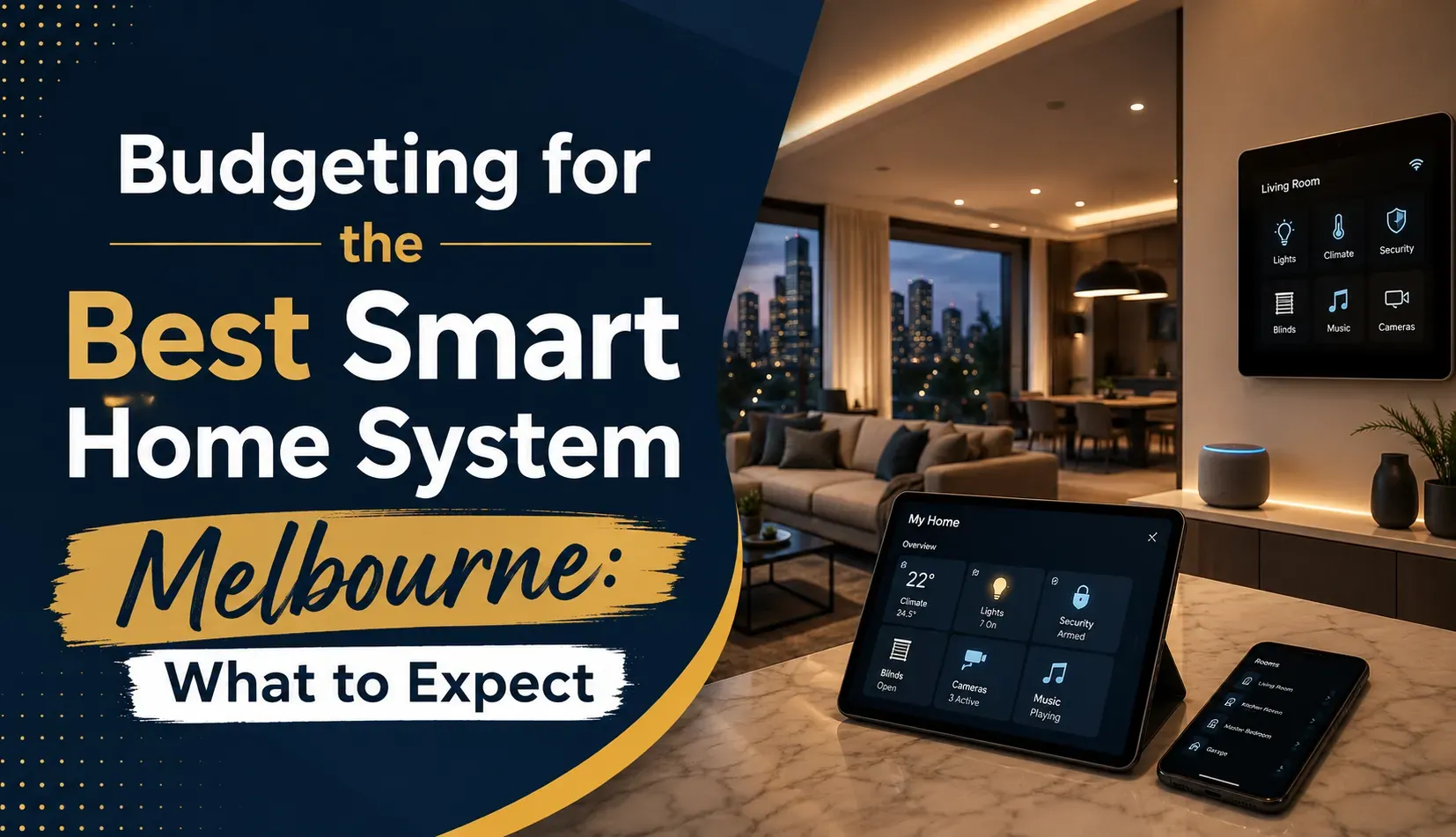
Modern technology is transforming the way Australians live, and smart home automation Melbourne solutions are becoming increasingly popular among homeowners who want greater convenience, security, energy efficiency, and control. From smart lighting and automated blinds to integrated security systems and voice-controlled entertainment, a connected home can make everyday living simpler and more enjoyable.
However, before investing in a smart home setup, it is important to understand the costs involved. Budgeting for smart home automation Melbourne projects requires careful planning because every property, lifestyle, and technology requirement is different. Knowing what to expect can help you make informed decisions and avoid unexpected expenses.
In this guide, we’ll explore the key factors that influence pricing, common features available, installation considerations, and practical budgeting tips for homeowners looking to build the ideal smart home system.
Understanding Smart Home Automation Melbourne Costs
The cost of smart home automation Melbourne systems can vary significantly depending on the size of the property, the number of connected devices, and the level of integration desired.
Some homeowners start with a few smart devices such as lighting controls and smart speakers, while others invest in a fully integrated home automation system that manages lighting, climate control, security cameras, entertainment systems, and motorised blinds from a single interface.
Several factors influence the final price, including:
- Number of rooms being automated
- Type of automation technology selected
- Wired or wireless system requirements
- Professional installation costs
- Custom programming and integration
- Ongoing maintenance and upgrades
A basic setup may be relatively affordable, while a sophisticated smart home network designed for luxury living can represent a larger investment.
Entry-Level Smart Home Systems
For homeowners exploring home automation for the first time, an entry-level solution is often the most cost-effective approach.
Typical features may include:
- Smart lighting controls
- Smart plugs
- Voice assistants
- Basic security cameras
- Smart doorbells
- Automated thermostats
These systems usually rely on wireless connectivity and can often be expanded over time. They provide an excellent introduction to smart living while keeping upfront costs manageable.
Mid-Range Smart Home Solutions
A mid-range smart home automation Melbourne package generally offers greater integration and functionality.
Features may include:
- Multi-room lighting control
- Climate automation
- Integrated security systems
- Smart locks
- Automated blinds
- Entertainment system control
These systems often require professional installation to ensure seamless operation and compatibility between devices.
Premium Smart Home Automation Systems
Premium home automation solutions are designed for homeowners seeking maximum convenience, luxury, and efficiency.
Advanced features may include:
- Whole-home automation
- Centralised control panels
- Intelligent energy management
- Advanced surveillance systems
- Multi-zone audio and video
- Automated curtains and blinds
- Custom scene programming
Although these systems involve higher upfront costs, they can significantly enhance property value and everyday living experiences.
Key Components That Affect Smart Home Automation Melbourne Pricing
When planning a budget, understanding the individual components involved is essential.
Smart Lighting Systems
Lighting automation remains one of the most popular smart home upgrades.
Smart lighting systems allow homeowners to:
- Schedule lighting routines
- Control lights remotely
- Adjust brightness levels
- Create customised scenes
- Improve energy efficiency
Costs vary depending on the number of circuits, switches, and smart devices required throughout the property.
Security and Surveillance
Security technology is another major contributor to smart home costs.
Common smart security features include:
- CCTV cameras
- Video doorbells
- Motion sensors
- Smart locks
- Alarm systems
- Remote monitoring
Higher-quality cameras with advanced features such as facial recognition, night vision, and cloud storage can increase overall expenses.
Climate Control Automation
Smart climate control systems help maintain comfortable indoor temperatures while reducing energy consumption.
Automation options may include:
- Smart thermostats
- Zoned heating and cooling
- Automated ventilation systems
- Energy monitoring devices
While installation costs may vary, these systems can contribute to long-term energy savings.
Entertainment and Audio Visual Integration
Home entertainment automation allows users to control televisions, speakers, streaming services, and media rooms from a single platform.
Popular solutions include:
- Multi-room audio systems
- Home theatre integration
- Voice-controlled entertainment
- Universal remote control systems
The complexity of the setup and the number of devices connected will influence overall costs.
Installation Costs and Professional Expertise
One of the most overlooked aspects of budgeting for smart home automation Melbourne projects is professional installation.
Although many wireless devices are marketed as DIY-friendly, larger systems typically benefit from professional design and installation.
Benefits of professional installation include:
- Correct device placement
- Reliable network configuration
- Seamless system integration
- Future scalability planning
- Troubleshooting support
- Compliance with electrical standards
Why Professional Installation Matters
Poorly installed smart home systems can lead to connectivity issues, inconsistent performance, and frustrating user experiences.
Qualified automation specialists ensure:
- Stable wireless coverage
- Secure device connections
- Proper electrical integration
- Efficient system programming
Investing in professional expertise can often save money by reducing future repair and maintenance costs.
Wired vs Wireless Systems
Another factor affecting installation budgets is whether the system uses wired or wireless technology.
Wired Automation Systems
Wired systems generally provide:
- Superior reliability
- Faster communication speeds
- Greater scalability
- Reduced interference
However, installation can be more expensive, especially in existing homes where additional cabling may be required.
Wireless Automation Systems
Wireless systems offer:
- Lower installation costs
- Easier upgrades
- Faster deployment
- Greater flexibility
They are often ideal for renovations and established homes where installing new cabling may be difficult.
Hidden Costs Homeowners Should Consider
When creating a realistic budget for smart home automation Melbourne, it is important to account for potential hidden expenses.
Network Upgrades
Smart homes rely heavily on strong internet connectivity and Wi-Fi coverage.
You may need:
- Mesh Wi-Fi systems
- Additional access points
- Network switches
- Enhanced internet plans
A robust network foundation ensures reliable communication between connected devices.
Software Subscriptions
Some smart home products include subscription-based services such as:
- Cloud video storage
- Advanced security monitoring
- Remote access features
- AI-powered analytics
These recurring costs should be included in long-term budgeting calculations.
Future Expansion
Many homeowners begin with a few smart devices before expanding their systems over time.
Planning for future upgrades can help avoid unnecessary replacement costs and compatibility issues later.
A scalable automation platform allows additional devices and features to be integrated as needs evolve.
How to Create a Smart Home Automation Melbourne Budget
Developing a clear budget starts with identifying your priorities.
Step 1: Define Your Objectives
Ask yourself what you want your automation system to achieve.
Common goals include:
- Enhanced security
- Greater convenience
- Improved energy efficiency
- Better entertainment experiences
- Increased property value
Understanding your priorities helps focus spending on the features that matter most.
Step 2: Prioritise Essential Features
Not every automation feature needs to be installed immediately.
Many homeowners start with:
- Smart lighting
- Security systems
- Climate control
Additional features can then be added gradually as budgets allow.
Step 3: Request Detailed Quotes
Obtaining detailed quotations from automation professionals provides greater clarity regarding:
- Equipment costs
- Installation fees
- Programming charges
- Maintenance requirements
- Future upgrade options
Comparing multiple proposals can help identify the best value for money.
Step 4: Consider Long-Term Savings
While smart home technology requires an upfront investment, many systems deliver ongoing savings through:
- Reduced energy consumption
- Improved heating and cooling efficiency
- Lower utility bills
- Enhanced security protection
Long-term financial benefits should be considered alongside installation costs.
Choosing the Right Smart Home Automation Melbourne Provider
Selecting an experienced automation specialist is just as important as choosing the technology itself.
Look for providers who offer:
- Proven industry experience
- Quality products
- Professional installation
- Ongoing support
- Customised system design
- Transparent pricing
A knowledgeable provider can recommend solutions tailored to your property size, lifestyle, and budget.
For personalised advice about automation options, visit the contact page and discuss your requirements with a qualified smart home specialist.
Final Thoughts
Investing in smart home automation Melbourne technology can significantly improve comfort, convenience, security, and energy efficiency. Whether you are considering a basic smart lighting setup or a fully integrated home automation system, understanding the associated costs helps you plan effectively and maximise value.
By identifying your priorities, choosing scalable technology, accounting for installation requirements, and working with experienced professionals, you can create a smart home solution that suits both your lifestyle and budget. For homeowners seeking expert guidance and tailored automation solutions, Loft Electrical Group can help design and install systems that deliver reliable performance and long-term benefits.
Frequently Asked Questions
How much does smart home automation Melbourne typically cost?
The cost depends on the number of devices, level of integration, property size, and installation requirements. Entry-level systems are generally more affordable, while fully integrated automation solutions require a larger investment.
Is smart home automation worth the investment?
Yes. Smart home systems can improve convenience, increase security, enhance energy efficiency, and potentially add value to your property over time.
Can I install a smart home system in an existing house?
Absolutely. Many wireless smart home automation solutions are specifically designed for existing homes and renovations, making upgrades straightforward without extensive building work.
What features should I prioritise when starting with smart home automation Melbourne?
Most homeowners begin with smart lighting, security systems, climate control, and smart locks. These features provide immediate benefits while creating a foundation for future expansion.